







How to Build a Rawjoy Cheese Board That People Actually Want to Eat
There's something lovely about putting a cheese board on the table when friends come over. Nobody has to wait for dinner to be served, there's always something to nibble on, and people naturally gather around it.
But here's the thing: a beautiful cheese board isn't necessarily a good one.
We've all seen those elaborate boards covered in dozens of ingredients, carefully arranged for photographs. They look impressive, but you don't need that much food, or that much effort, to make something people genuinely enjoy.
A few good cheeses, some fruit, something crunchy and one or two interesting extras are usually enough. The trick is choosing things that work together.

Start with three cheeses, not ten
If you're putting together your first cheese board, start with three varieties. That's enough to give everyone a choice without leaving you with half a refrigerator full of leftovers.
Think about texture and flavor rather than choosing three cheeses that are almost identical.
A soft, creamy cheese gives you something rich and mild. A firmer cheese brings a little more bite. Then choose a third with a more distinctive flavor for anyone who enjoys trying something different.
For example, you could build around:
-
Brie: soft, creamy and easy to pair with fruit.
-
Aged cheddar: firmer, sharper and familiar to most guests.
-
Blue cheese: bold and savory, particularly good with something sweet.
Not everyone likes strong cheese, and that's perfectly fine. If you're serving people whose preferences you don't know, make two choices approachable and let the third be the adventurous one.
You can always add another variety for a larger gathering, but there's no prize for having the most cheeses.
The little extras are what make the board interesting
Cheese is the main event, but what you put beside it can change the whole experience.
I like thinking in terms of contrast. Creamy cheese benefits from something crisp. A salty, strong cheese can be lovely with a little sweetness. Something mild often needs a more flavorful partner.
Here are a few combinations worth trying:
Brie with pear and honey
The gentle sweetness of pear and honey works beautifully with creamy Brie. Add a plain cracker or a slice of crusty bread and you have a simple combination that feels a little special.
Cheddar with apple and nuts
A sharp cheddar alongside crisp apple slices and walnuts is a dependable combination. It works for casual gatherings and doesn't require much preparation.
Blue cheese with figs or honey
Blue cheese has a stronger personality, so pair it with something sweet. Fresh figs, dried fruit or a small dish of honey can soften the intensity.
Gouda with grapes and crackers
Gouda and grapes make an easy pairing for guests who prefer something less challenging. Add a few plain crackers and let the cheese do most of the work.
You don't need to provide a separate accompaniment for every cheese. Two fruits, a couple of crunchy options and one sweet extra can be plenty.
Give the board a little crunch
A cheese board can become quite rich, particularly when you're serving creamy varieties. That's where crackers, bread and nuts come in.
Choose a plain cracker first. It gives people something to eat with the cheese without competing with its flavor. Then add one alternative, perhaps a seeded cracker, breadsticks or slices of a fresh baguette.
A small bowl of almonds, walnuts or pistachios adds another texture. If you're using salted nuts, taste them alongside the cheese before adding more salty ingredients.
And don't forget that bread needs to be easy to reach. There's nothing more awkward than having a lovely board and nowhere convenient to put a piece of cheese.
How much should you buy?
This is where it's easy to overdo things.
For a cheese board served before dinner, Whole Foods Market suggests planning roughly one to two ounces of cheese per person. If the board is intended to be the main food, you'll need considerably more, along with enough bread, crackers and other accompaniments.
For a small gathering of four people, three cheeses and a modest selection of extras are a sensible starting point.
If you're serving other appetizers or a full meal afterward, keep the board smaller. People should have room to enjoy dinner too.
The right amount depends on the occasion, how long people will be grazing and what else you're serving.
Put the cheeses on the board first
Don't start by scattering grapes and crackers everywhere. Place the cheeses first and build around them.
Give each cheese a little space. Put a small knife beside the soft cheese and make a few initial cuts in the firmer varieties so guests know where to start.
Then add the accompaniments:
-
Place fruit in small groups rather than spreading it everywhere.
-
Put crackers and bread where guests can reach them easily.
-
Use a small bowl for honey, preserves or olives.
-
Fill a few gaps with nuts or dried fruit.
Leave some breathing room. A board doesn't have to be packed from edge to edge to look inviting.
If you're serving several cheeses, small labels can help guests identify what they're trying. They're particularly useful when one variety has a strong flavor or contains an ingredient people may want to check.

A little preparation makes a difference
One thing worth remembering: cheese straight from the refrigerator can taste less expressive than cheese that's had a little time to warm up.
For many cheeses, taking them out around 30 to 60 minutes before serving can help bring out their flavor. The exact timing depends on the variety and the room temperature.
Keep perishable cheese under appropriate conditions, and don't leave it sitting out indefinitely. If the gathering lasts a while, serve smaller portions and replenish them as needed.
Slice apples and pears close to serving time so they don't have too long to brown. Keep crackers dry, and add delicate items at the last moment.
These small details make the board easier to enjoy without turning preparation into a project.
What if your guests don't all like the same things?
They probably won't, and that's part of the fun.
Some people will go straight for the Brie. Others will want the sharpest cheese on the table. Someone will probably eat all the grapes before anyone notices.
Rather than trying to please everyone with one elaborate selection, offer a little variety. Include familiar flavors, one more interesting choice, plain crackers, fresh fruit and a few extras.
If you're serving guests with dietary restrictions or food allergies, check the labels and keep suitable foods separate. Use separate serving utensils where needed, especially when the board includes nuts or other common allergens.
Where to find ingredients for your next cheese board
You don't need a specialty shop for every ingredient. Start with the cheeses you enjoy, then look for a few things to serve alongside them.
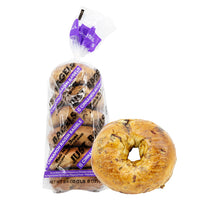
RawJoy's Grocery & Cheese collection is a useful place to explore specialty grocery and deli selections. You can also browse fresh produce for fruit and bakery favorites for bread and baked accompaniments.
The best board is the one that suits the people coming over. It might be a simple plate of cheddar, fruit and crackers on a Tuesday evening, or a larger spread for a house full of friends.
Either way, choose a few things you genuinely enjoy, put them on the table and let everyone help themselves.
That's really all a good cheese board needs.

Leave a comment